On October 18th, the core team of Minkai Biomedical visited the Champalimaud Foundation in Lisbon, Portugal, which marked the full launch of the strategic collaboration between the two parties. During the exchange, both sides clarified specific details such as clinical trial indications and R&D pipelines, signifying Minkai Biomedical's deep involvement in the research, development, and clinical advancement of cancer vaccines. Simultaneously, the "Innovative Cancer Vaccine and Immunotherapy Research Center" was officially inaugurated at the Champalimaud Foundation, providing tangible support for in-person collaboration and the implementation of clinical studies. The core research and clinical teams from both sides have been fully established and are now fully engaged, initiating a new chapter of practical cooperation in China-Europe cancer immunotherapy.
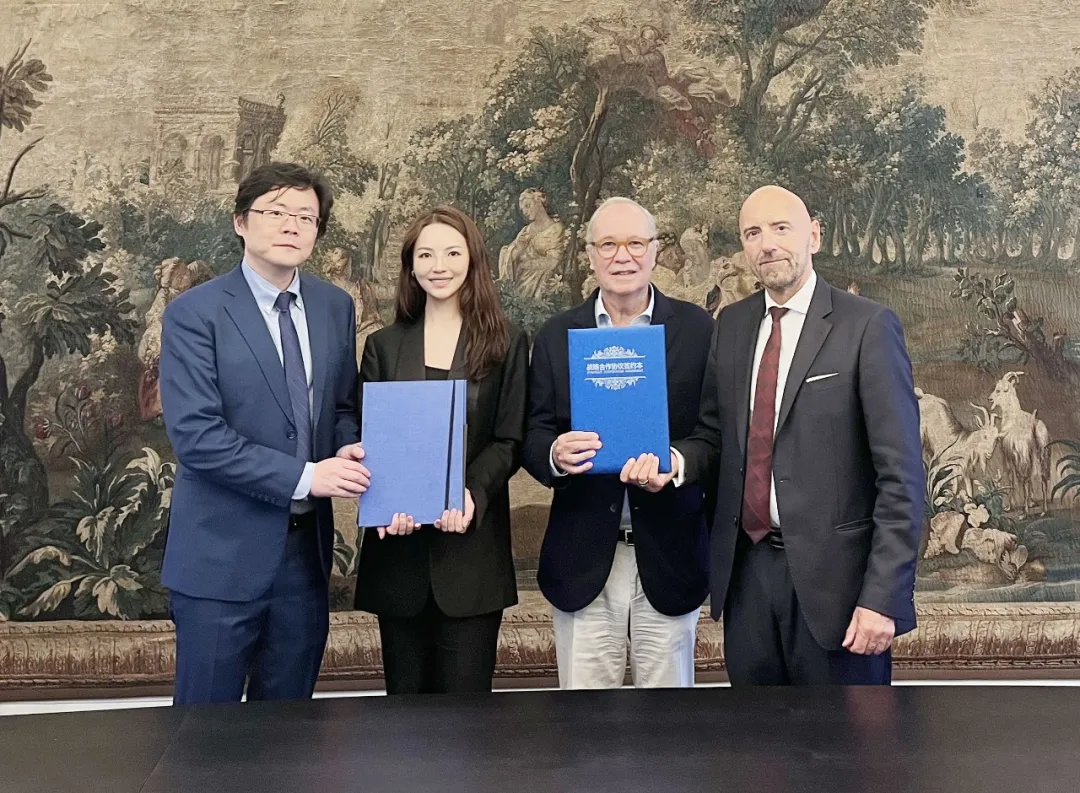
Strategic Cooperation Signing Ceremony between Minkai Biomedical and the Champalimaud Foundation (From left: Dr. Wang Zhe, CTO of Minkai Biomedical; Ms. Xie Yinuo, CEO of Minkai Biomedical; João Silveira Botelho, Vice President of the Foundation; Professor Markus Maeurer, Director of the Foundation's Center for Cancer Immunotherapy)
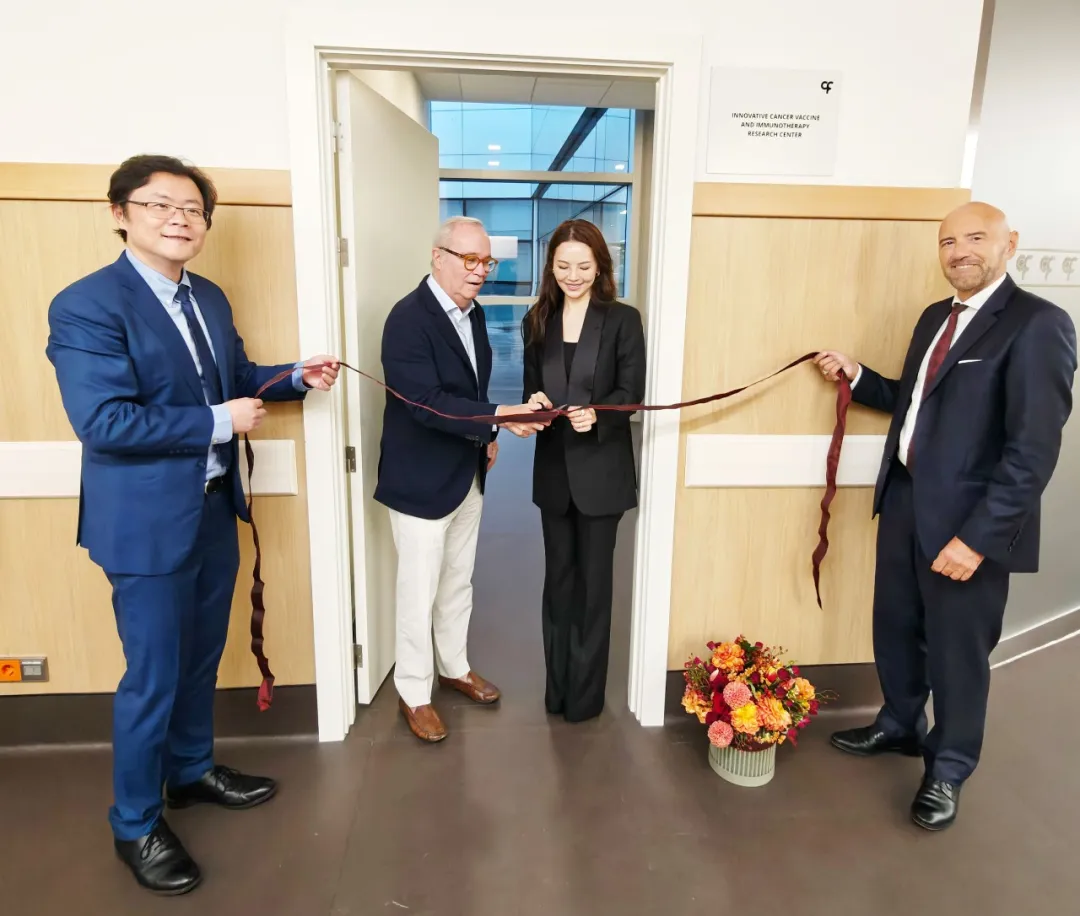
Ribbon-Cutting Ceremony for the Innovative Cancer Vaccine and Immunotherapy Research Center
On October 19th, Ms. Xie Yinuo, CEO of Minkai Biomedical, and Dr. Wang Zhe, CTO, along with team members, held a focused working session with key personnel from the Champalimaud Foundation, including Vice President João Silveira Botelho, Professor Markus Maeurer (Director of the Cancer Immunotherapy Center), Dr. Jorge Fonseca (Director of Urology), Dr. Manuela Seixas (Director of Clinical Research), and Dr. Andrea De Censi (Director of Breast Surgery). The session featured in-depth discussions on the strategic cooperation agreement signed by both parties.
Both sides focused on core topics such as clinical protocol design for neoantigen peptide vaccines, patient enrollment criteria, and efficacy evaluation systems. They agreed on an off-the-shelf peptide cancer vaccine targeting prostate cancer as the first core indication, and finalized three key milestones: submitting an IND application to EMA/INFARMED in the first quarter of 2026, and initiating the enrollment and treatment of the first patient in the second quarter. Additionally, they agreed to advance clinical trials for personalized vaccines targeting triple-negative breast cancer (TNBC) and head and neck cancer (HNC) within 1 month after the initiation of the prostate cancer indication. Furthermore, both parties reached a consensus on "clinical data sharing and joint technological advancement", and will jointly build an efficient China-Europe cross-border clinical translation platform leveraging the Foundation's top-tier European clinical resources and Minkai Biomedical's peptide vaccine technology, thereby providing core support for accelerating multi-pipeline vaccine R&D.
This exchange further advanced the on-site establishment of the "Innovative Cancer Vaccine and Immunotherapy Research Center," supporting Minkai Biomedical in establishing an international R&D system and accelerating the clinical translation advancement of cancer immunotherapy.

Core members from both sides engaged in in-depth discussions on the future direction of cooperation
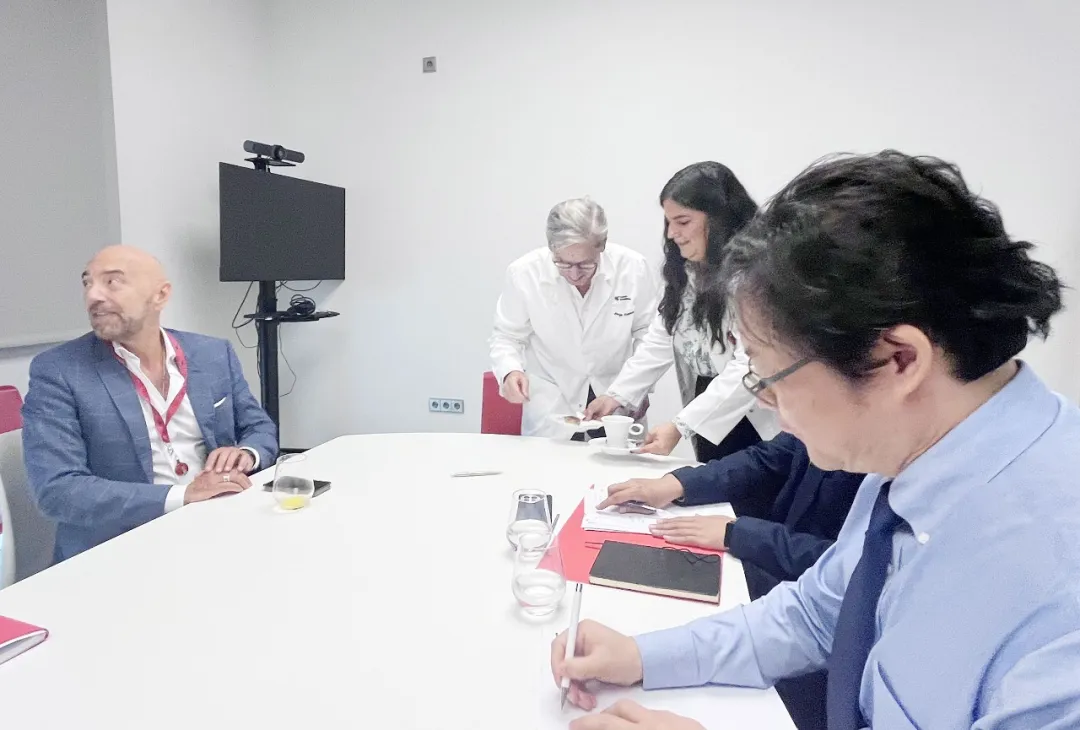
Minkai Biomedical and Champalimaud Foundation teams conducted a clinical protocol seminar

Dr. Jorge Fonseca, Director of Urology at the Champalimaud Foundation, provided guidance on the clinical protocol
Focusing on High-Incidence and Hard-to-Treat Cancers, Dual-Track Pipelines Progress in Parallel
Minkai Biomedical's product pipeline follows a dual-track strategy leveraging "personalized" and "Off-the-shelf" neoantigen peptide vaccines, with a precise focus on multiple high-need common cancer types..
Off-the-Shelf Peptide Cancer Vaccine: Targeting on Prostate Cancer
Prostate cancer is the second most common cancer in men worldwide. In 2022, there were 1,460,000 new cases globally, and the incidence rate is steadily increasing. It is projected that the number of new cases will reach as high as 1,815,000 by 2030, with new cases in China exceeding 199,000. Behind this large patient base lies a substantial clinical challenge: over 50% of patients in China are initially diagnosed at an advanced stage, with an overall 5-year survival rate of approximately 70%. Although numerous existing therapies are available, treatment options for advanced patients, such as those with metastatic castration-resistant prostate cancer (mCRPC), remain limited, highlighting a significant unmet clinical need.
Addressing this need, Minkai Biomedical's off-the-shelf neoantigen peptide cancer vaccine has completed preclinical research and is set to enter the IND application stage. According to the plan, this vaccine will commence enrollment and treatment of the first patient at the Champalimaud Foundation in the second quarter of 2026. Against the backdrop of a global prostate cancer drug market with a CAGR of 9.2%, projected to grow from USD 23.3 billion in 2024 to USD 37.6 billion by 2030, the commercial potential of this vaccine is attracting significant attention.
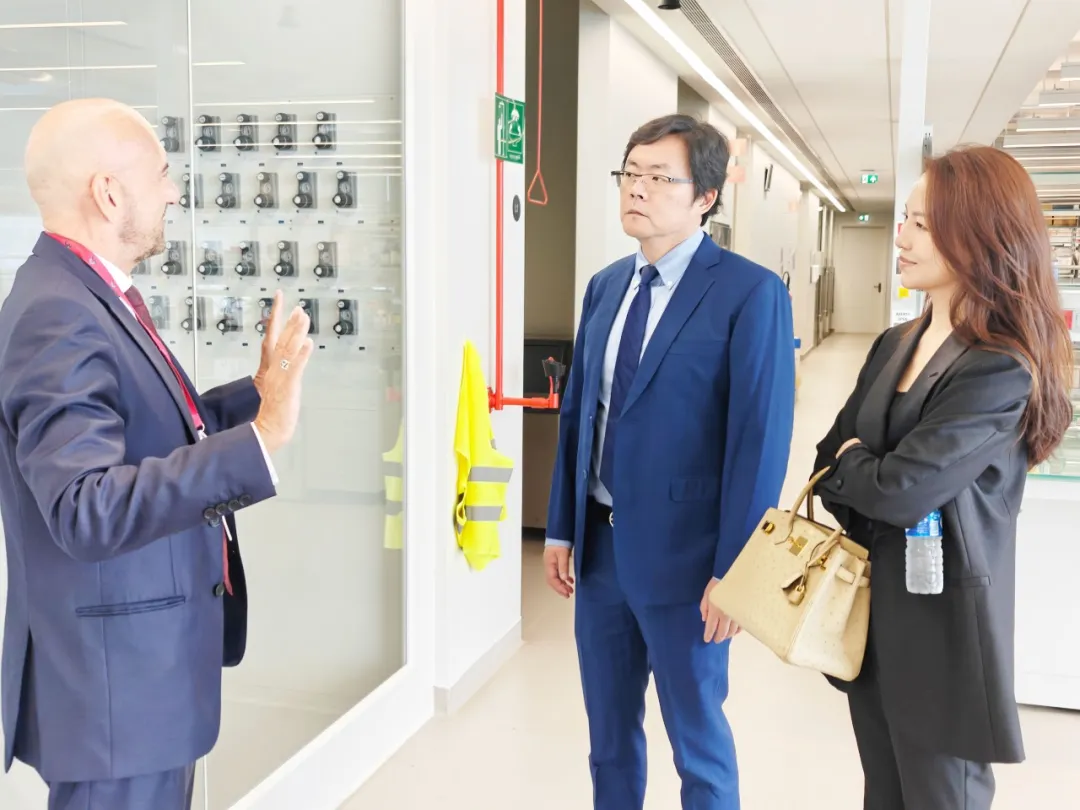
Professor Markus introduced the Champalimaud Foundation's biological laboratories to the core team of Minkai Biomedical
Personalized Cancer Neoantigen Peptide Vaccine: Covering Triple-Negative Breast Cancer and Head and Neck Cancer
Within 1-2 months after the initiation of the prostate cancer indication study, Minkai Biomedical will simultaneously advance the R&D of personalized vaccines for triple-negative breast cancer (TNBC) and head and neck cancer (HNC), and initiate patient enrollment and treatment.
As the most aggressive subtype of breast cancer, TNBC accounts for about 15% of all breast cancers. Due to the lack of hormone receptors and HER2 expression, it is resistant to endocrine therapy and targeted therapy, resulting in a poor prognosis and a five-year survival rate of less than 12% among metastatic patients. Public project the global breast cancer drug market to reach USD 69.9 billion by 2030. Based on the disease proportion of TNBC, the TNBC drug market size is expected to reach USD 10.5 billion by 2030.
Head and neck cancer is the seventh most common cancer globally, with over 900,000 new cases annually and a five-year survival rate of only 25%-60%. Although immune checkpoint inhibitors (such as PD-1/PD-L1 inhibitors) and targeted therapies have made some progress in recent years, clinical decision-making still heavily relies on TNM staging, lacking personalized treatment strategies. Data from Coherent Market Insights shows that the global head and neck cancer treatment market is expected to reach USD 2.28 billion in 2025 and is projected to reach USD 3.74 billion by 2032, with a CAGR of 7.3%.
Minkai Biomedical's personalized tumor neoantigen peptide vaccine is currently establishing processes for gene sequencing, neoantigen screening, and in vitro evaluation, and is conducting preclinical research. The personalized peptide vaccine for treating triple-negative breast cancer is planned to submit an IND application to EMA/INFARMED in the second half of 2026 and initiate the enrollment and treatment of the first patient at the Champalimaud Foundation.
Peptide Vaccines: The "Golden Path" of Precision Immunotherapy
Cancer immunotherapy has fundamentally changed the landscape of cancer treatment. However, existing approaches like PD-1/PD-L1 inhibitors and CAR-T therapy still have limitations, including limited response rates and high costs. In this context, personalized cancer vaccines have become the third major breakthrough direction following immune checkpoint inhibitors and CAR-T therapy, leveraging their precise targeting advantages. Among these, synthetic long peptides, as the most mature delivery method, have become the preferred commercial path due to their convenient production and high safety. Compared to other technology platforms like mRNA, peptide vaccines demonstrate unique value in the field of personalized treatment due to their high specificity, low toxicity, and mature production processes.
Global R&D pipelines indicate that the cancer vaccine field has entered a phase of intense competition. In February of this year, a research team led by scientists from Yale University and Dana-Farber Cancer Institute published results of a personalized cancer vaccine (PCV) study in the journal Nature. Nine high-risk renal cell carcinoma (RCC) patients, after undergoing resection surgery, received PCV treatment targeting neoantigens (with or without adjuvant therapy ipilimumab). Clinical trial results showed that at a median follow-up of 40.2 months, none of the nine patients experienced cancer recurrence.
According to a Reuters report on August 6, 2025, US health agencies plan to gradually reduce support for mRNA vaccine R&D. This move reflects a cautious attitude towards vaccine development. As vaccine regulatory standards gradually increase, the FDA has strengthened requirements for clinical data and long-term safety monitoring to ensure the vaccine’s controllability and reliability. In this increasingly stringent regulatory environment, Minkai Biomedical's peptide vaccine is gradually gaining prominence due to its unique advantages in personalized cancer treatment. As a vaccine tailored specifically for cancer patients, Minkai Biomedical's peptide vaccine designs precise treatment plans based on patients' tumor characteristics, providing more effective immunotherapy. Its excellent safety, controllability, and high cost-effectiveness make it an innovative breakthrough with huge potential in the field of cancer immunotherapy, meeting increasingly strict regulatory requirements and demonstrating the potential to lead change in future cancer treatment.
Minkai Biomedical Distinguishes Itself Through Three Core Advantages
Regarding product layout,Minkai Biomedical adopts a dual-track model of "Personalized + Off-the-Shelf" - personalized vaccines are precisely customized for patients' unique mutations, whereas off-the-shelf cancer peptide vaccines target high-frequency mutation sites to reduce costs, forming a product matrix covering diverse needs.
Technologically,Minkai Biomedical has built a core platform with deep integration of "IT + BT" (Information Technology + Biotechnology), enabling precise neoantigen identification through high-throughput sequencing and AI algorithms. It can accurately predict neoantigens in patients' tumors and, through its proprietary screening system, precisely select candidate peptides that can be effectively presented by MHC I/II molecules and elicit potent T-cell clonal expansion, achieving a prediction success rate of over 95%, which is industry-leading.
For cost control, Minkai Biomedical adopts a cross-border production model combining Chinese raw materials with European formulations, aiming to reduce production costs by 60%-75%, fundamentally addressing the "prohibitive cost" challenge of personalized therapy and making cutting-edge treatments truly accessible.

Biological Laboratory at the Champalimaud Foundation
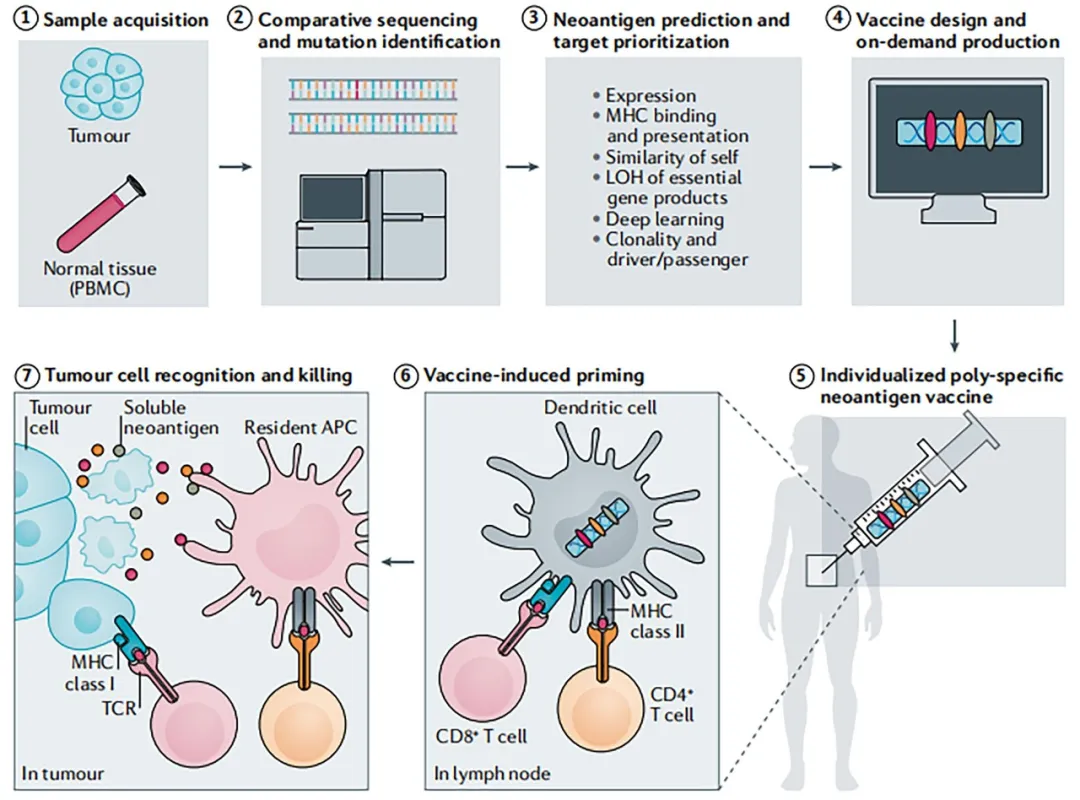
Laboratory Preparation Process for Tumor Neoantigen Peptide Vaccines
Why the Champalimaud?
The choice of the Champalimaud Foundation as the European bridgehead is no coincidence. The Foundation is not only a top-tier European cancer research center but also hosts the Botton-Champalimaud Center, the world's first center dedicated to the "integration of research and treatment" for refractory cancers such as pancreatic cancer. It brings together top experts in various disciplines such as surgery, tumor immunology, and bioinformatics, and is equipped with GMP cell preparation laboratories that meet international standards and a mature clinical trial system. The Foundation's deep collaborations with international institutions like MD Anderson Cancer Center and Stanford University can empower Minkai Biomedical's technology translation. For personalized vaccines urgently needing high-quality clinical validation and rapid translation, the specific cancer patient resources, top-tier multidisciplinary diagnosis and treatment capabilities, and the seamless "research-clinical-production" translation chain possessed by the Champalimaud Foundation are key enablers for Minkai Biomedical to accelerate its products toward the global market.
This collaboration will bring multiple key values to Minkai Biomedical,Clinical Validation: Leveraging the Foundation's patient database and mature efficacy evaluation system can significantly shorten clinical trial cycles and accelerate the translation of vaccines from laboratory to bedside.R&D Barriers,Jointly tackling technical challenges like neoantigen screening and efficacy optimization will further consolidate technological leadership.International Credibility,Utilizing the Foundation's industry influence lays a compliance foundation and brand endorsement for future product entry into the EU and global markets.
The essence of the collaboration is the precise matching of "technological advantages + clinical resources". The complementarity between Minkai Biomedical's peptide vaccine technology and the Champalimaud Foundation's clinical research capabilities not only rapidly promotes clinical implementation in the European market, but also builds an R&D landscape of "Dual Centers in China and Europe", providing a foothold for the global reach. This cross-border cooperation model also offers a new paradigm for the collaborative development of global cancer immunotherapy.
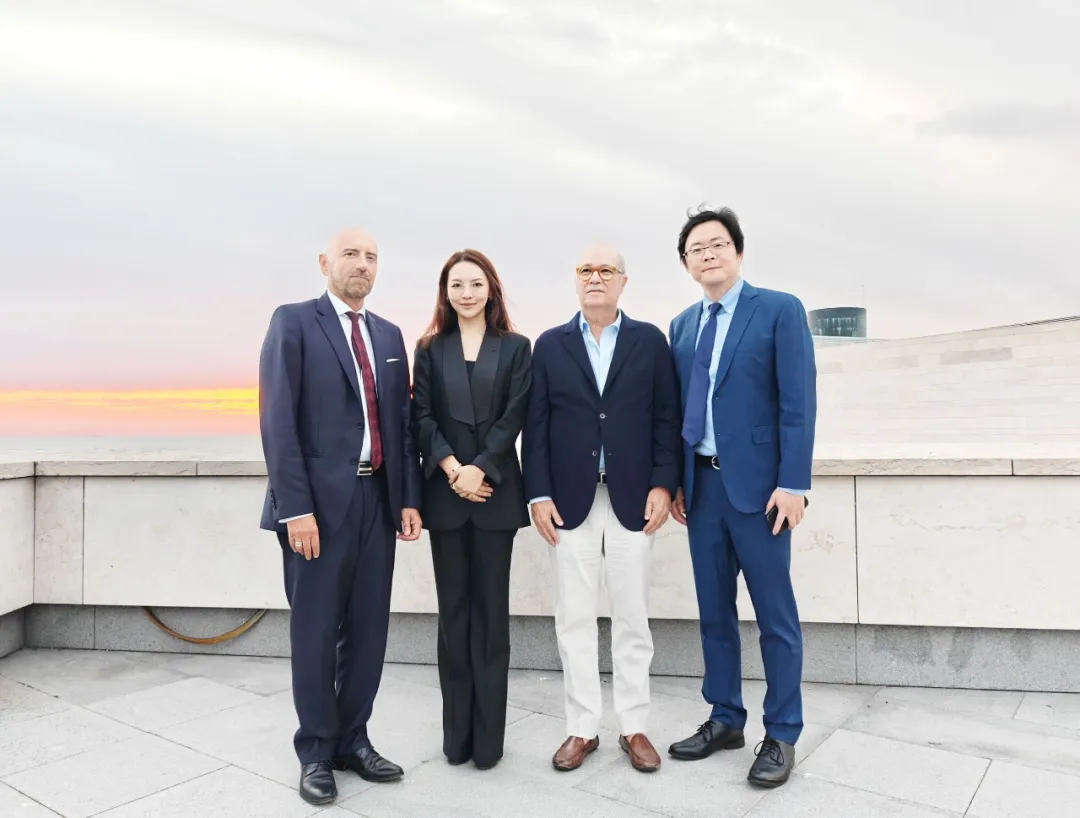
Group photo of core team members from both sides
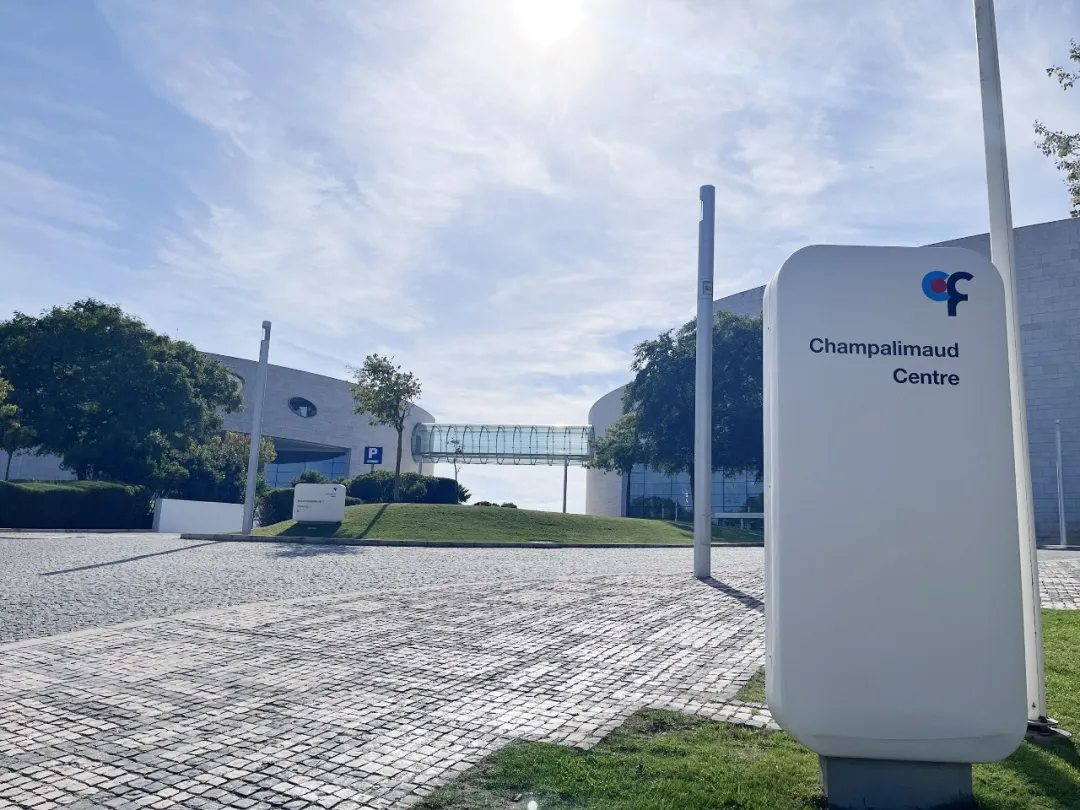
Panoramic view of the landmark building of the Champalimaud Foundation
Making Advanced Therapies Accessible, Transforming Patients’Lives
Currently, the treatment of solid tumors worldwide faces severe significant challenges. Over 60% of refractory tumors lack effective treatment options, while traditional therapies often fail to overcome survival bottlenecks. Meanwhile, innovative therapies are generally expensive; for example, a single CAR-T treatment can cost hundreds of thousands of dollars, making them inaccessible to most patients. The supply gap and cost barriers of clinical-grade peptide vaccines have become key obstacles to making precision medicine more widely accessible..
Minkai Biomedical's innovative model is breaking this deadlock: it achieves cost reduction through technological optimization and cross-border production, aiming to transform personalized vaccines from "luxury items" for a few into "accessible hope" for the masses. The collaboration with the Champalimaud Foundation accelerates technology translation efficiency, potentially quickly filling clinical demand gaps. This combination of "technological breakthrough + model innovation" fully embodies Minkai Biomedical's innovative wisdom.
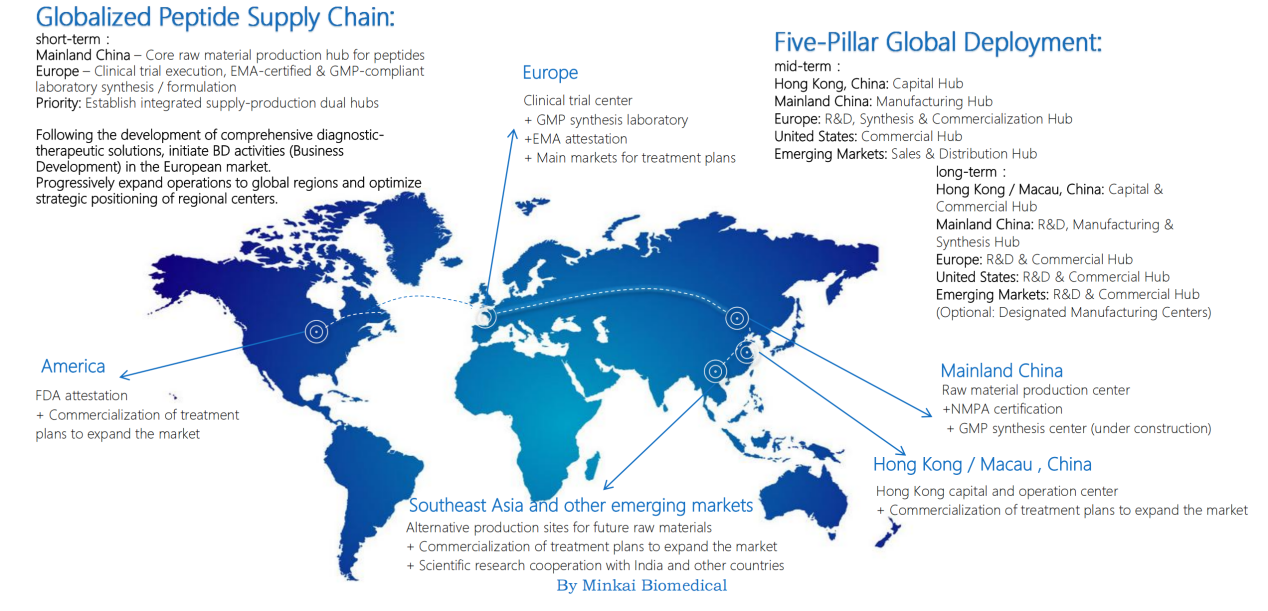
Minkai Biomedical's Five-in-One Global Strategy
Looking ahead, Minkai Biomedical has charted a clear global path: in the short term, it will focus on China-Europe two-way collaboration to complete clinical validation and market authorization application for core products, establishing technological and brand advantages; in the medium term, expand to Hong Kong, China, the United States, and emerging markets; in the long term, build a global commercial ecosystem. The company's corporate vision of "becoming a technology benchmark in 5 years and achieving global commercial coverage in 10 years" is taking its firm and powerful first step at this new starting point in Lisbon, demonstrating the ambition of a globally positioned biotech enterprise. In this anti-cancer revolution led by technological innovation, the partnership between Minkai Biomedical and the Champalimaud Foundation undoubtedly brings a new dawn to countless cancer patients worldwide.